

Financial Operations Insights, Guides, and Tools


What Is Your Salon or Med Spa Actually Worth? Exit Planning Starts Earlier Than You Think

Commission, Hourly, or Hybrid? Designing a Compensation Structure That Doesn't Eat Your Profit

Ready for a Second Location? The Financial Checklist Most Owners Skip

Should You Buy That Laser? A CFO's Framework for Med Spa Equipment Decisions

Thinking of Opening a Med Spa? Here's the Financial Side Nobody Talks About

Cash Flow Forecasting for Salons and Spas: How to Stop Being Surprised by Your Own Business

Is a Gym Membership Tax Deductible? HSAs, Massages, Skincare, and What the IRS Actually Allows

Booth Renter or Employee? The Tax Guide for Stylists and Salon Owners

The FICA Tip Credit Now Covers Beauty Services — A Payroll Tax Break Most Salon Owners Are Missing

"No Tax on Tips" Is Here — What Salon, Spa, and Beauty Professionals Need to Know

Travel, Conferences, and Retreats: Deduction Rules for Longevity Entrepreneurs
Travel often plays a critical role in the longevity industry. Owners may travel for conferences, to visit manufacturers, host or attend a retreat, scout new locations, and network with peers — all are essential activities in this industry, as they support innovation and growth across multiple lines.

Accounting for Memberships in Longevity Clinics: How to do Deferred Revenue Right!
Longevity clinics are unique in the clinical world as they operate on a different financial wavelength. Most rely on memberships, prepaid packages, and subscriptions as their primary income. It’s a smart business model that generates predictable, stable cash flow for the business while also delivering significant value to patients by aligning incentives with long-term outcomes rather than reactive, episodic care.

S-Corp for Longevity Clinic Owners: When It Saves Taxes (and When It Doesn’t)
During the initial planning phases, many tax experts recommend the S-Corporation as a preferred structure because it can significantly reduce taxes, at least under the right conditions. But S-Corps don’t always work in your favor. For some clinics, it can add unnecessary complexities and increase the tax burden, so understanding the variables is vital. Arguably, you’ll want to make tax-informed decisions when you’re setting up the company initially, as it will save you time, money, and stress later on.

Longevity Business Tax Deductions: What’s Legit, What’s Risky
Longevity businesses and wellness clinics are fast-growing sectors in healthcare. Still, the nature of the business is unique and often complicated, posing some tax risks if you don’t know what’s a legitimate expense and what costs might be venturing into risky territory.

Cash vs. Accrual Accounting for Longevity Clinics and Wellness Practices
When launching a new longevity clinic or wellness practice, it’s vital to establish sound accounting strategies at the outset. One of the choices you’ll make is whether to apply a cash or accrual accounting method. While it may seem like “potatoes-patatoes” to you, there are implications to each method that will inform compliance activities, future growth, and how you understand the practice’s financial health.

Costing for Biomanufacturing: Standard vs. Actual Cost and Variance Tracking
Biomanufacturing is unlike most manufacturing processes. Batch-based, long production cycles, and inherent variability are its hallmarks, and even the tiniest anomalies can have profound effects on the result (and therefore, finances).
Inventory Accounting for Medical Device Companies: COGS, Obsolescence, and Controls
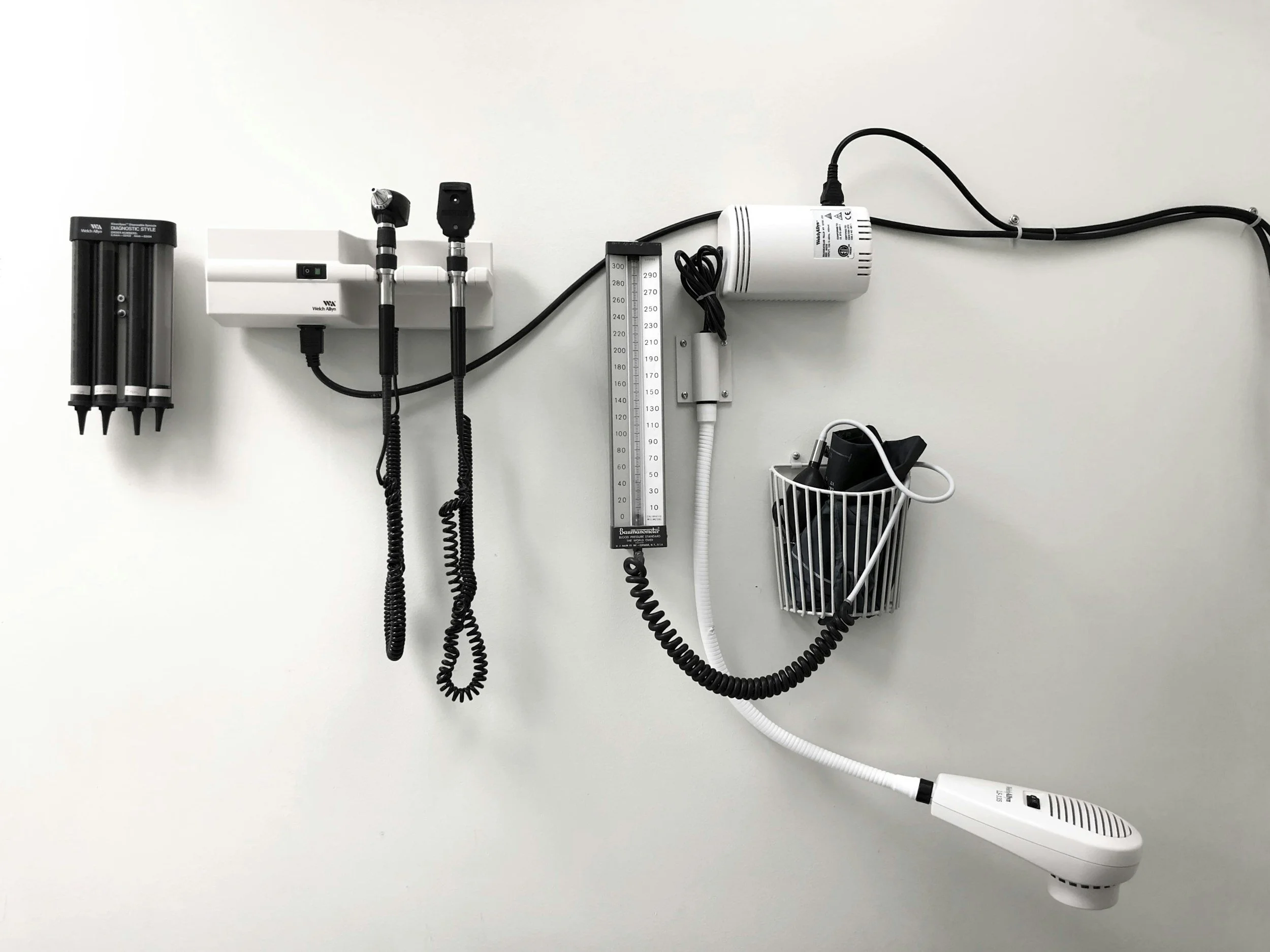
Inventory accounting is a way for medical device companies to gain real-time insight into device expiry dates and device location. An efficient process can reduce overstock and stockouts by a significant margin and help to maintain positive cash flow.

Lab and Clinical Trial Spend: How to Set Up Spend Controls Without Slowing R&D
In the biotech world, spending and progress are intimately correlated. Every action taken, from experiments to patient enrolments to prototypes, moves a project forward incrementally, but it also burns up a lot of cash.

Biotech Burn Rate and Runway: How to Build a Cash Forecast That Holds Up
We’ve all heard the expression “time is money,” but nowhere is it more meaningful than in biotech. In this industry, cash is the clock. Every dollar spent either moves a project forward or delays progress towards a milestone. Unlike most sectors, biotech startups often operate for years without revenue, underscoring the importance of understanding and managing cash burn and cash runway.

Transfer Pricing Basics for Life Sciences: Intercompany R&D, IP, and Cost Sharing Overview
Transfer pricing applies to multinational life sciences companies and covers cross-border transfers of goods, services, IP, patents, and trademarks, as well as R&D and manufacturing. As one of the most significant tax risks a life sciences company will face, meticulous documentation is essential, and pricing strategies must align with market conditions to ensure compliance.