

Financial Operations Insights, Guides, and Tools


Cash vs. Accrual Accounting for Longevity Clinics and Wellness Practices
When launching a new longevity clinic or wellness practice, it’s vital to establish sound accounting strategies at the outset. One of the choices you’ll make is whether to apply a cash or accrual accounting method. While it may seem like “potatoes-patatoes” to you, there are implications to each method that will inform compliance activities, future growth, and how you understand the practice’s financial health.

Costing for Biomanufacturing: Standard vs. Actual Cost and Variance Tracking
Biomanufacturing is unlike most manufacturing processes. Batch-based, long production cycles, and inherent variability are its hallmarks, and even the tiniest anomalies can have profound effects on the result (and therefore, finances).
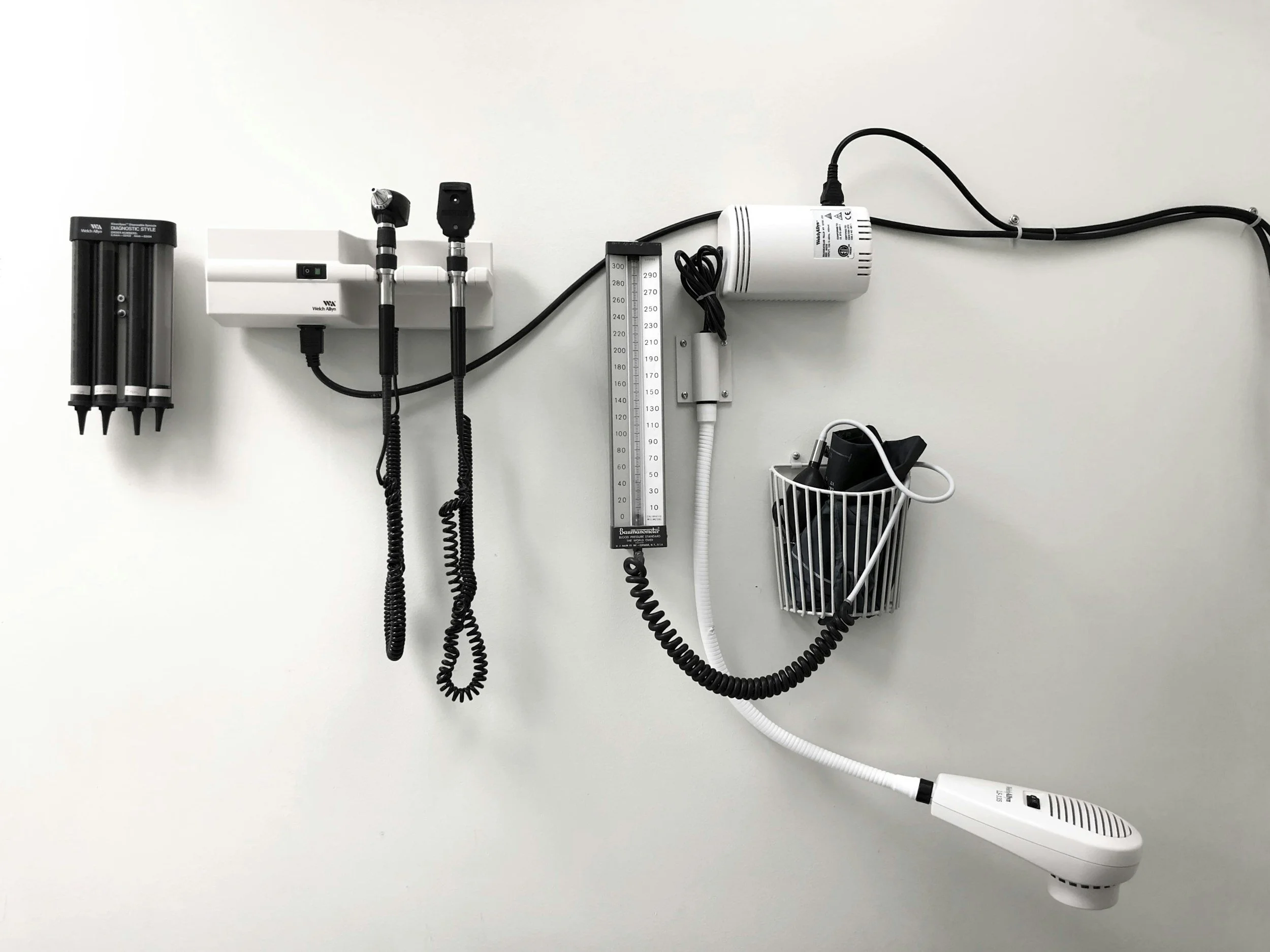
Inventory Accounting for Medical Device Companies: COGS, Obsolescence, and Controls
Inventory accounting is a way for medical device companies to gain real-time insight into device expiry dates and device location. An efficient process can reduce overstock and stockouts by a significant margin and help to maintain positive cash flow.

Lab and Clinical Trial Spend: How to Set Up Spend Controls Without Slowing R&D
In the biotech world, spending and progress are intimately correlated. Every action taken, from experiments to patient enrolments to prototypes, moves a project forward incrementally, but it also burns up a lot of cash.

Biotech Burn Rate and Runway: How to Build a Cash Forecast That Holds Up
We’ve all heard the expression “time is money,” but nowhere is it more meaningful than in biotech. In this industry, cash is the clock. Every dollar spent either moves a project forward or delays progress towards a milestone. Unlike most sectors, biotech startups often operate for years without revenue, underscoring the importance of understanding and managing cash burn and cash runway.

Transfer Pricing Basics for Life Sciences: Intercompany R&D, IP, and Cost Sharing Overview
Transfer pricing applies to multinational life sciences companies and covers cross-border transfers of goods, services, IP, patents, and trademarks, as well as R&D and manufacturing. As one of the most significant tax risks a life sciences company will face, meticulous documentation is essential, and pricing strategies must align with market conditions to ensure compliance.

QSBS for Life Sciences Founders: Section 1202 Basics and Pitfalls
The decision to structure as a C-corporation (C-corp) is common in the biotech sector, especially for firms seeking venture capital funding. VCs favor C-corporations because the structure protects them and provides various tax benefits, including the Qualified Small Business Stock (QSBS) exclusion under Section 1202 of the federal tax code.

Pass-Through vs. C-Corp for Biotech Startups: Tax Pros, Cons, and Investor Expectations
Biotech firms face unique challenges, especially at the startup stage. Heavily reliant on investment, it’s critical to choose the right corporate and tax structure from the outset, as making changes later on can be costly and complicated, and may impact your ability to attract investment and grant funding.

Biotech Startup Tax Return Checklist: Documents You Need and Common Mistakes
The biotech startup ecosystem is unique in many ways, especially given that many operate for several years without generating any revenue, and the bulk of their funding comes from multiple sources, primarily grants, venture capital, and research partnerships.

R&D Credit vs. Section 174: How They Work Together in Life Sciences
Life sciences companies, especially pre-revenue startups, are inordinately impacted by taxation. On the one hand, the R&D credit provides significant tax relief, covering up to 25% of qualified expenses; on the other hand, Section 174 requires some costs to be amortized over a period of years.

R&D Credit Documentation Is Getting Stricter: What Form 6765 Changes Mean for 2026
The R&D credit is a critical benefit for life sciences companies and other research-focused organizations. With the ability to cover up to 25% of qualified costs, the credit can significantly ease the tax burden, fuel innovation, and improve cash flow, even for pre-revenue companies.

Section 174 Domestic R&E Expensing in 2025: What’s Changed and How You Can Benefit
Section 174 reform under the One Big Beautiful Bill Act (OBBB) was a major turning point for companies heavily invested in R&E. As of the 2025 tax year, R&E expenses can be claimed immediately rather than being capitalized and amortized over several years.

CFO Advisory for Life Sciences: Tracking KPIs That Actually Matter
Success in life sciences is as much about financial planning and timing as it is about the mission itself. Research and development (R&D), clinical trials, and regulatory approvals are resource-heavy and typically funded through investment, requiring meticulous financial management, reporting, and planning to ensure plans stay on track.

Life Sciences Financial Statements: What Investors Expect (and What CPAs Fix)
Financial reporting is an essential accounting practice for all businesses. Factual financial reports inform planning and critical business decisions and are required for stakeholder edification, especially in life sciences, which relies heavily on funding from investors and grant organizations.

R&D Tax Credit for Biotech and Life Sciences Companies: Eligibility, Documentation, and Examples
Biotech and life sciences firms invest significant resources in research and development. Fortunately, the government recognizes the value of this effort and offers tax credits to offset these costs, which can be a massive support for pre-revenue or unprofitable startups.

Startup Accounting for Biotech Companies: What to Set Up in the First 90 Days
The first 90 days of any startup are the most critical. The decisions you make at this early stage can streamline engagement with investors and regulators, allowing you to focus on your mission without diverting unnecessary time and resources to accounting.

Life Sciences Tax Planning: A CPA Guide for Biotech, MedTech, and Pharma
The life sciences, biotech, MedTech, and pharmaceutical industries are among the most highly regulated industries. Companies in this niche contend with heavy compliance burdens, rapid-fire regulatory changes, and must always be ready for an audit or enforcement, often without advance notice.

Section 174 for Life Sciences: How to Treat R&E Costs and Plan for Cash Taxes
We must understand that Section 174 is a cash tax issue, not just a compliance change. Clinical costs are often more exposed than you might think, and foreign research activity can dramatically increase taxable income and inflate liabilities.